Quantcast
Skip to content
Communities
  • North Fork
    • Jamesport
    • Mattituck
    • Orient
    • Riverhead
    • Shelter Island
    • Southold
  • The Hamptons
    • Montauk
    • Quogue
    • Sag Harbor
    • Sagaponack
    • Southampton
    • Water Mill
    • Westhampton Beach
  • NYC
  • Palm Beach
  • Home Pros
  • Digital Editions
  • Dan’s Best of the Best
  • Contact Us
Dan’s Papers
  • Things to Do

    Events Calendar

    View and Post Events

    • Books & Authors
    • Community
    • Events & Entertainment
    • Fairs & Festivals
    • Film & TV
    • Fitness & Outdoors
    • Food & Drink
    • Galleries & Museums
    • Kids & Families
    • LGBTQ+
    • Nonprofits & Philanthropy
    • Performing Arts
    • Pets & Animals
    • Seasonal
    • Shopping
    • Virtual

    Dan’s Events

    Visit Dan’s Taste

  • Arts & Culture
    • Artist Profiles
    • Books & Authors
    • Galleries & Museums
    • Performing Arts
    • Music, Film & TV
  • Food & Drink
    • Recipes
    • Restaurants
    • Bars, Breweries & Distilleries
    • Wine & Wineries
  • Celebrity News
  • Local News
    • Crime & Police
    • Politics
    • Health
    • Business
    • Education
    • Environment
    • Obituaries
  • Real Estate
  • Lifestyle
    • Fashion & Style
    • Hotels & Inns
    • Kids & Family
    • Nonprofits & Philanthropy
    • Party & Event Photos
    • Wellness
    • Dan Rattiner’s Stories
Behind the Hedges

Promised Land

By Laura Euler
Comments
4 minute 08/22/2019 Share

Back in the day, when we drove past Napeague (known as “the straightaway” in our family) to get to Montauk, there’d be that familiar point where you had to hold your nose. “Here we come, kids!” my mom would call out. You were passing the fish factory, nicknamed Promised Land because it stank to high heaven.

In 1969 the last of the Promised Land menhaden processing plants closed.

Menhaden has been called “the most important fish in the sea.” An oily fish, it’s also known as bunker, porgy, mossbunker, alewife, fatback, and shad. Of enormous commercial importance to humans, menhaden also is a prey fish for many larger fish as well as birds. Menhaden primarily consume phytoplankton, which keeps major bodies of water free of algae. But in the nineteenth century, menhaden were used to make glue.

Close

Get the Full Story

News, events, culture and more — delivered to you.
Thank you for subscribing!

This site is protected by reCAPTCHA and the Google Privacy Policy and Terms of Service apply.

Boats would catch huge amounts of menhaden. The fish was then cooked in huge tanks. Its oil was extracted to make glue and lamp oil and the dried remains were was ground up for fertilizer and animal feed. The only problem with this process was the unholy smell of the processing plant. The stench could actually tarnish the coins in the pockets of the workers. No one wanted to live near a fish factory.

But in 1882, Austin Corbin, the owner of the Long Island Rail Road, planned to bring the railroad through to Montauk, so a couple of capitalists had the bright idea of building glue factories in Napeague. Why not? The fish was caught nearby, and the boats could unload the fish right there. The finished glue then could be packed in barrels and sent on the railroad to Brooklyn and Queens to be bottled. Best of all, there wasn’t anyone living in the area to complain about the smell.
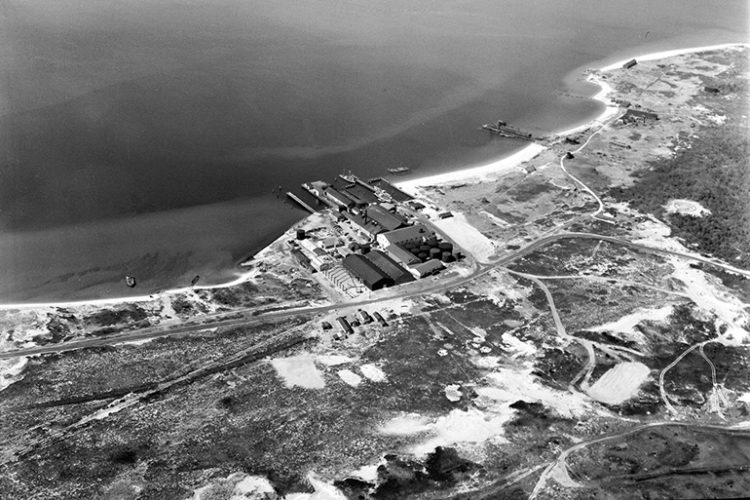
Aerial Smith Meal fish plant, 1954. Dave Edwardes Collection, Montauk Library

Between 1883 and 1950, six fish factories operated in Napeague. A LIRR spur led out to all of them and there were docks for the large boats to bring in the fish and the coal to process them.  Just one factory alone, the Smith Meal Fish Factory, processed between 20-30 million fish a year. From May until October, 24 hours a day, seven days a week, enormous (ten feet across) iron pots bubbled over coal fires boiling fish. Smokestacks belched stinky fish steam into the sky along with coal smoke. And anyone passing had to hold their nose for quite a while if the wind was strong.

By 1950, fish was not used much to make glue and petroleum-based oils replaced fish oil. The Promised Land fish factories declined and the last one closed in 1969. But menhaden are even today caught and ground into feed for hogs, chickens and pets. Menhaden-based products are used in lipstick, paint, salad dressing, industrial applications, and fish oil supplements for humans. But they’re processed along the Gulf Coast

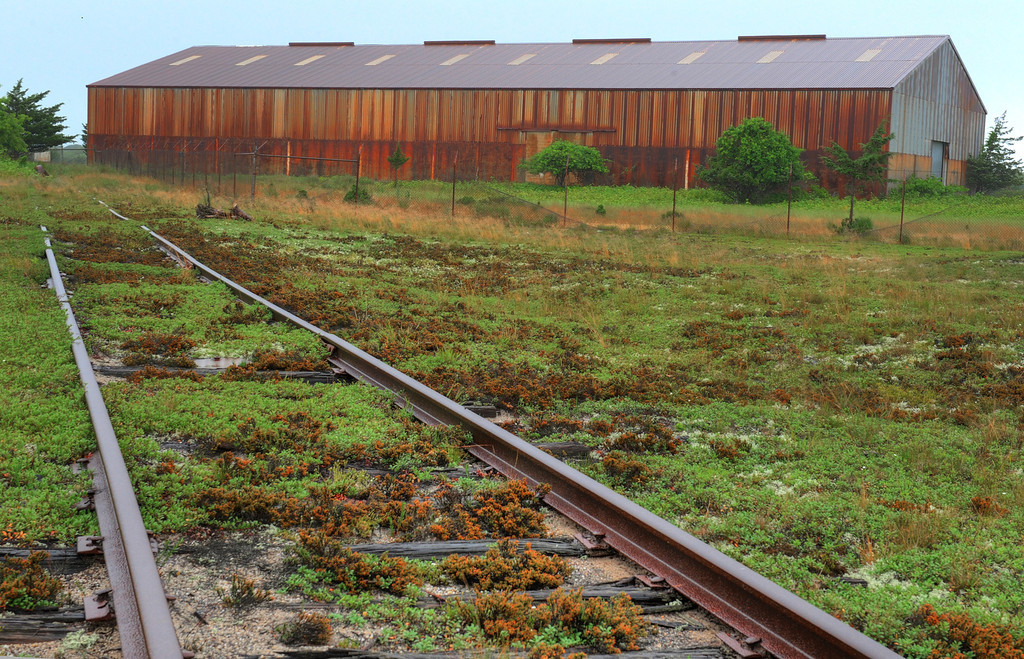
Today the smell of Promised Land is gone. Only the name and a rusting shed remain of the huge factories.

Conversations Profile

All comments are subject to our Community Guidelines. Schneps Media does not endorse the views shared by readers in our comment sections.

  • Vetted Hamptons Resources

    Hamptons Classified 

    Access our trusted network of local professionals and browse employment opportunities in the Hamptons.
    Find a Home Pro Search Jobs
  • Most Recent Articles

    Best Spots to See Cherry Blossoms on Long Island

    7 Great Spots to See Cherry Blossoms on Long Island

    LIF Day3

    Long Island Family Day at the Cradle of Aviation Museum – Exhibitors Wanted!

    LIF-long-island-cover-story-kitchen-shot-Brianne -Manz-Photo-cred-Ana-Gambuto-2024-08 (3)

    Brianne Manz Stroller in the City: A Journey to Long Island Bliss

    GettyImages-1255032403-1200×639-1

    8 Podcasts for Kids: Both Fun and Education!

  • Dan’s Papers

    The iconic mainstay of Long Island’s East End for over 60 years.

    Read Our Papers

    Digital Editions of Dan's Papers are available online.
    Get our best stories right into your inbox. Subscribe
    Follow us
    © Dan’s Papers 2026 Schneps Media |
    Designed by Digital Silk
    • Terms of Use
    • Privacy Policy

    Post an Event