
Visual Distress Signals
 By Vin Pica
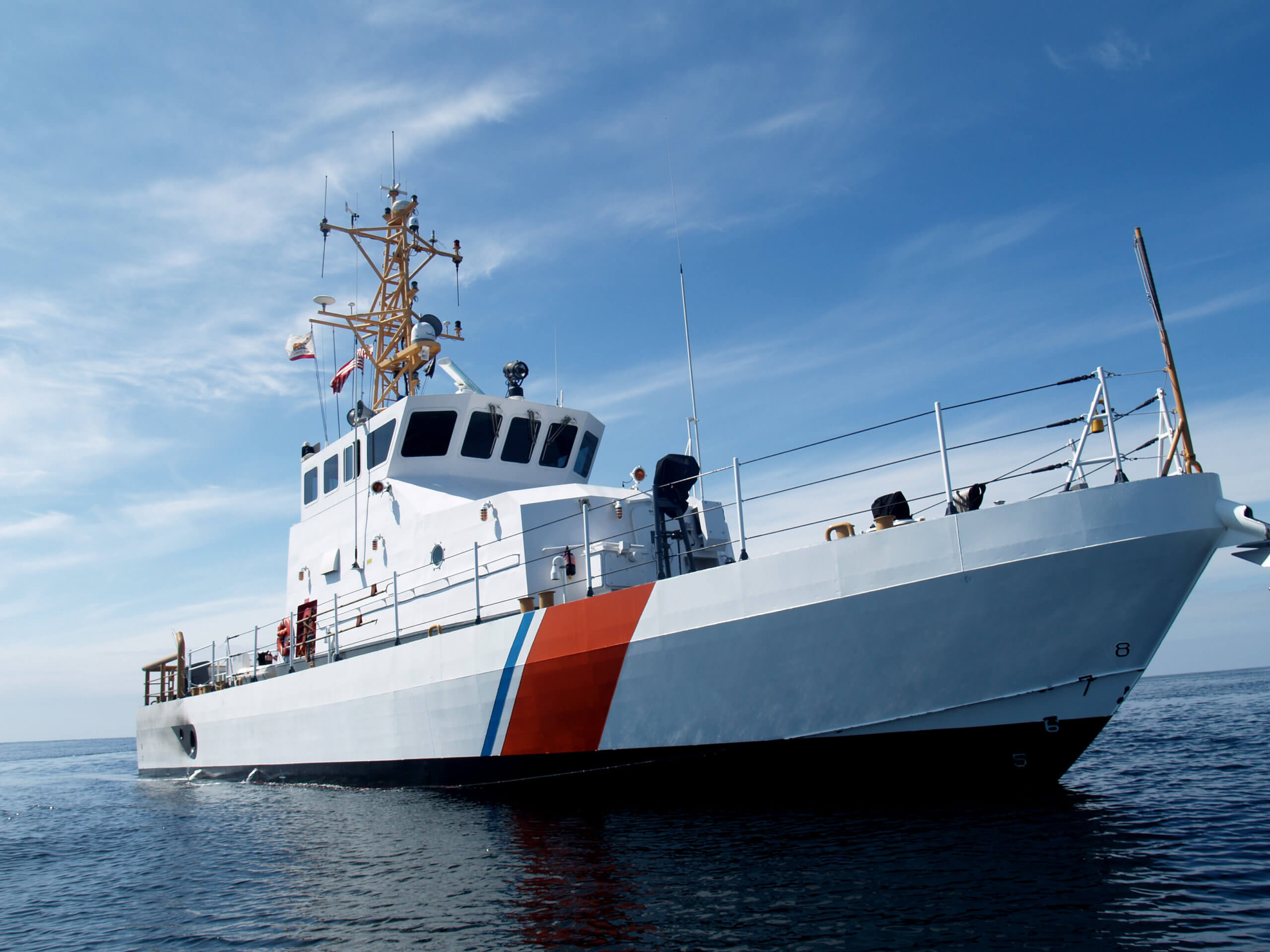
When I teach seamanship courses, I stress to the private boat captains that they have to imagine that they are astronauts who have landed on Mars. If something has gone wrong, it is going to take time for help to arrive, so you must start doing things to buy yourself time. And when does the rescue clock start? When someone sees or hears your cry for help. The visual distress signal is the quickest way to start that clock.
All boaters should be able to signal for help and instructions for use are printed right on the device. What should you consider when doing so? First, unless you are truly “in extremis,” don’t set them off unless you can see or hear help nearby.
United States Coast Guard requirements for visual distress signals are:
Three handheld red flares (day and night).
One handheld red flare and two parachute flares (day and night).
One handheld orange smoke signal, two floating orange smoke signals (day), and one electric distress light (night only).
In short, you need three USCG-approved and unexpired flares or devices for day and night. Check the dates on the side of the flare. They are manufactured with three-and-a-half years of life. How long have they been on the shelf or in your cabin? By the way, are they still good after the expiration date? Most likely they are, so keep them around as backups, but don’t expect to pass USCG boarding.
All boaters should be able to signal for help and instructions for use are printed right on the device. What should you consider when doing so? First, unless you are truly “in extremis,” don’t set them off unless you can see or hear help nearby (by the way, if you can see lights on land, that constitutes help nearby — just don’t use them all at once in case no one is looking). Shooting flares into a dark, empty sky might prove to be totally useless, especially if someone happens to pass along later, and you have no way to signal them.
Secondly, if you are using handheld flares, hold them out over the boat. If a piece of the burning slag drops off and lands on your fiberglass deck, be prepared to watch it burn straight through to the sea below. You can’t put out the burning magnesium compound.
Third, if a flare pistol or handheld rocket-propelled distress signal is used, be sure to take the wind into account. In generally calm winds, keep your arm at an approximate 45 to 60-degree angle above the horizon with the wind at your back. As the wind increases, increase the angle of your arm upward, but do not fire the device straight up or in such a direction that it may land on your boat or another.
By USCG regulations, who is required to have these visual distress signals?
All vessels used on coastal waters, the Great Lakes, territorial seas, and those waters connected directly to them, up to a point where a body of water is less than two miles wide must be equipped with USCG-approved visual distress signals. Vessels owned in the United States operating on the high seas must be equipped with USCG-approved visual distress signals. Regulations prohibit display of visual distress signals on the water under any circumstances except when assistance is required to prevent immediate or potential danger to persons on board.
And who is not required to have these visual distress signals?
The following vessels are not required to carry day signals, but must carry night signals when operating from sunset to sunrise:
Recreational boats less than 16 feet in length.
Boats participating in organized events such as races, regattas, or marine parades.
Open sailboats less than 26 feet in length not equipped with propulsion machinery.
Manually-propelled boats.
But think of our motto, “semper paratus” — always prepared. Why go to sea in anything and be unable to call for help and get the rescue clock started?
And don’t forget that the USCG Auxiliary gives free vessel safety exams. They are not a regulatory event — no one “turns you in” if the boat is missing something. We tell you what passes and fails, and generally give you our cellphone numbers so you can call us back when the deficiency has been addressed. You receive a windshield sticker that notes that your boat has met the federal standard for its size, like a motor vehicle inspection. The exam is all about safety of life at sea — yours and your loved ones.
If interested in being part of USCG Forces, email me at JoinUSCGAux@aol.com.
Vetted Hamptons Resources